
20+ years
Of Experience
Schedule a Local Locksmith Services in Atlanta
20+ years
Schedule a Local Locksmith Services in Atlanta

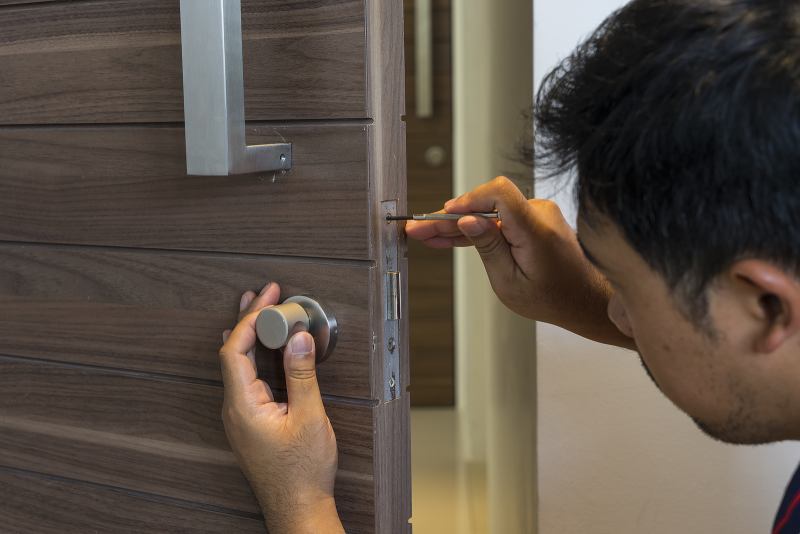
A door lock is meant to work with a smooth turn of the key. But in certain seasons, several homeowners find out that their locks become hard or difficult to turn. If you're experiencing difficulty with your door on a cold morning or on a hot afternoon, it could be due to the weather changes. Plus, temperature fluctuations, moisture in the air, and seasonal changes can all affect the performance of a lock.
In most situations, a skilled locksmith can quickly identify the issue and restore the lock to its operating state. Now, let's take a look at the primary ways the weather changes can make your door lock stick.
A stuck lock is common because of frozen water in the mechanism and contracting metals. This contraction can lead to the tightening of the pins and cylinders, thereby causing friction. So, when a key is inserted, it can get stiff or not turn at all. And if any moisture has entered inside the lock, it may block the movement and even freeze.
To make it work again, a licensed locksmith can safely thaw and lubricate the lock.
High temperatures of metal parts can result in a misalignment of the internal components of a lock. Wooden doors also expand under heat, straining the lock and frame. This extra pressure may cause the bolt to not slide smoothly.
When the temperature increases, homeowners can notice that a lock that was working well in the morning has become difficult to turn in the afternoon. For that, a locksmith shop professional can adjust the lock and make sure it is aligned well.
Humidity adds moisture to locks, combining with dust and dirt to create sticky residue. It may lead to slowing down or jamming of the cylinder and pins.
Also, humidity accelerates internal lock corrosion, which also hinders efficient operation. The locks that are kept in moist conditions or near the outside doors are especially prone to this problem.
GreenPro Locksmith advises that locks be kept clean, dry, and professionally checked once in a while.
Rains can easily get into the locks, especially when the lock is situated on an external door. And at low temperatures, the water may settle in the cylinder, freeze, and block the mechanism. Even without freezing, this can result in rusting of the bolt, the cylinder, and the pins.
In turn, the rusty locks might break down eventually and get harder to turn. A licensed locksmith can clean the lock, lubricate it, and protect it against issues caused by moisture.
Storms and windy conditions may blow dirt, sand or leaves into the lock. When mixed with moisture, these tiny particles generate friction, which creates a problem when turning the key. But since the lock appears to be okay on the outside, it is often ignored. Regular maintenance by an expert from a GreenPro Locksmith shop will ensure that the lock is cleared of debris and it continues to operate effectively.
Weather changes affect door locks in a variety of ways, such as expansion due to heat, humidity, rainfall, dust, and contraction. Unless such issues are solved, locks can become stuck or jammed.
But with regular maintenance, lubrication, and checkups by GreenPro Locksmith, locks can be maintained in good working condition throughout the year. Knowing the effects of weather on locks, homeowners can prevent problems before they become urgently serious.
Both in design and operation, residential and commercial safes have evolved! Now, you can have access to a diverse…

Ever handed a key to a hardware store clerk and heard, “Sorry, we can’t copy this,”! Such a response can feel…
Security isn't always about expensive technology and top-notch systems. Sometimes, the smartest protection starts with the basics. And one of the…
Preparing for a tenant eviction requires more than just scheduling and showing up. In security terms, the goal is simple: ensure…